Car Bonnet: Protect Your Vehicle With Premium Car Bonnet Services and Accessories
The car bonnet serves a dual purpose, protecting the engine while improving the vehicle's look. Quality products and services can greatly influence its longevity and visual appeal. Regular upkeep and suitable modifications are essential for preserving both performance and significance. Yet, many car consult article owners disregard the importance of this component. Understanding the subtleties of care and protection can be transformative in vehicle durability. What steps should one take to guarantee optimal performance?
Why Your Car Bonnet Is Important for Safety and Aesthetics
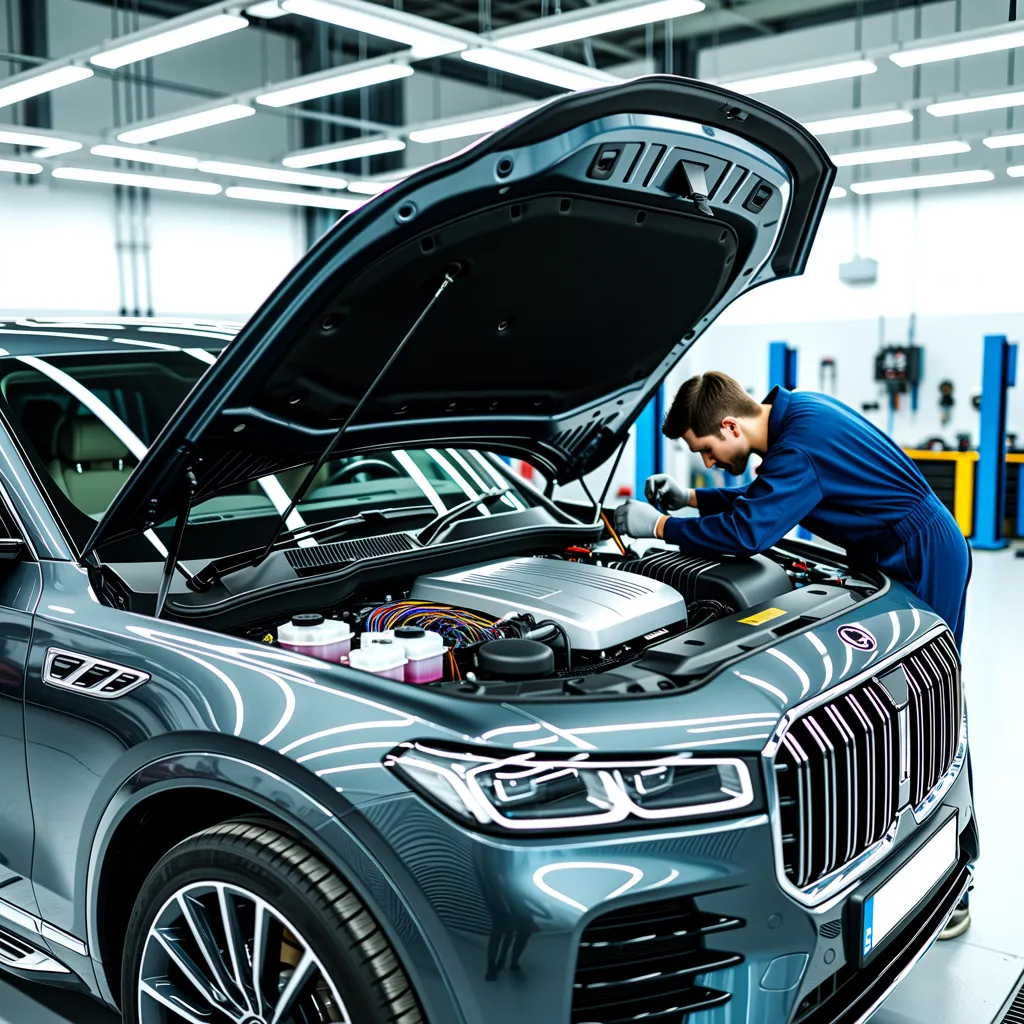
While numerous car owners may disregard the importance of the bonnet, it serves as an essential role in both safety and appearance. The bonnet functions as a barrier for vital engine components, protecting them from debris, weather elements, and possible damage. A well-maintained bonnet can reduce the risk of damage that might result in expensive maintenance down the line.
In top of its safety function, the bonnet plays a major role in a vehicle's visual presentation. It represents one of the first observed features by onlookers, determining the car's aesthetic appeal. Assorted designs, colors, and finishes can improve a car's style, making it stand out on the road.
Guaranteeing that the bonnet is in optimal condition not only safeguards its protective qualities but also maintains the vehicle's stylish look. Regular inspections and appropriate accessories can additionally boost both functions, making the bonnet a critical aspect of car ownership.
When Is It Necessary to Restore or Substitute Your Bonnet?
Deciding the proper time to correct or replace a car bonnet can be challenging for many owners. A in-depth assessment of the bonnet's quality is essential. If there are few dents or scratches, repair might suffice, especially if the marks do not jeopardize structural integrity. However, if rust or corrosion is present, particularly in critical areas, replacement may be necessary to maintain durability and the overall look.
Additionally, a bonnet that has experienced significant collision damage—such as from an mishap—should be assessed carefully. If the damage impacts positioning or functionality, replacement is often the best option. Proprietors should also take into account the years of service of the bonnet and the general state of the vehicle; a very old or heavily worn bonnet may not be deserving of fixing. Ultimately, speaking with an professional can offer useful perspective into the best course of action, ensuring the vehicle stays safe and visually appealing.
Picking the Perfect Materials for Your Vehicle Hood
When selecting components for a car bonnet, factors such as aluminum versus steel can notably affect durability and cost. Composite materials offer unique benefits, including weight reduction, which can enhance overall vehicle performance. Understanding these factors is essential for making an informed choice that equilibrates functionality and efficiency.
Aluminum Against Steel Hood
Choosing the right substance for a car bonnet is essential, as it influences both performance and aesthetics. Aluminum and steel are two popular choices, each with distinct advantages. Aluminum is lightweight, enhancing fuel efficiency and agility; it also prevents corrosion, which can extend the bonnet's lifespan. However, aluminum can be more costly and may not offer the same level of impact resistance as steel. On the other hand, steel provides greater resilience and strength, making it less prone to dents and damage. It is typically more affordable but can be heavier, potentially affecting functionality. Ultimately, the choice between aluminum and steel will depend on the specific needs and preferences of the vehicle owner, balancing cost, weight, and durability considerations.
Composite Material Perks
Composite materials continue to increase popularity in the automotive industry for car bonnets because of their distinctive mix of lightweight features and exceptional strength. These materials, typically comprising carbon fiber or fiberglass, deliver enhanced durability while resisting corrosion and environmental damage. They are designed to absorb impact, providing superior protection against dents and dings. Moreover, composites can be shaped into complex configurations, allowing for innovative designs that boost aerodynamics and aesthetics. This versatility also helps manufacturers develop bonnets that align with modern vehicle styling. Additionally, producing composite materials may be more environmentally friendly, aiding sustainability efforts within the automotive sector. Overall, composite materials provide a compelling choice for enhancing vehicle performance and longevity.
Weight Elements and Efficiency
A vehicle’s weight is fundamental in determining its overall performance and efficiency. When picking materials for a car bonnet, crucial factors include weight, strength, and durability. Lighter materials like aluminum or composites can lower the car's total weight, which boosts acceleration, fuel efficiency, and handling. In contrast, heavier materials, while offering extra protection, might harm performance. It is vital to balance weight with structural integrity; choosing the correct material can improve aerodynamics as well as fuel economy. In addition, new technological advances allow for the creation of innovative materials that combine lightness with strong performance, ensuring that the vehicle remains agile without compromising safety. Picking the right car bonnet material is necessary for optimal vehicle functionality.
Why Use Protective Films for Your Bonnet?
Protective films supply substantial benefits for car bonnets, especially enhanced scratch resistance. These films act as a barrier against constant wear and tear, maintaining the car's condition. In addition, they provide essential UV protection, preventing paint deterioration from extended sun exposure.
Enhanced Scratch Resistance
A vehicle's bonnet often faces severe environments, making it vulnerable to wear and damage. To address this weakness, many car proprietors opt for protective films purpose-built for bonnets. These films deliver an unseen shield against abrasions caused by road debris, tree branches, and even small collisions. The cutting-edge compounds used in these films not only enhance durability but also preserve the aesthetic appeal of your vehicle. Unlike traditional paint protection methods, these films are self-healing, allowing minor scratches to disappear over time. Additionally, the application of defensive coatings is a gentle procedure, ensuring that the factory finish remains undamaged and undisturbed. By investing in improved damage protection, vehicle owners can maintain their bonnets and sustain the overall worth of their cars.
UV Shield Advantages
While many car owners focus on protecting their bonnets from surface damage, the value of UV protection should not be overlooked. Ultraviolet rays can cause significant harm to a vehicle's exterior, leading to fading, color change, and degradation of the paint. Protective films custom created for bonnets serve as a barrier against these harmful rays, preserving the vehicle's look and value. By blocking UV radiation, these films help keep the original color and gloss, guaranteeing that the bonnet remains vibrant for years. Additionally, using UV protective films can lessen the need for frequent repainting and detailing, resulting in long-term cost savings. Ultimately, opting for UV protection is a wise choice for any thoughtful vehicle owner.
Does hiring professionals for setup make financial sense?
How crucial is expert setup when it comes to vehicle hood services and products? Expert installation can significantly improve the durability and performance of these services, guaranteeing that components are fitted correctly and securely. Expert professionals possess the expertise to identify potential issues that may arise during installation, which an untrained person might overlook. This not only reduces the chance of harm to the vehicle but also guarantees that warranties remain valid.
Additionally, skilled installation frequently provides confidence, as professionals usually have liability coverage and offer assurances for their work. This can be especially advantageous when working with complex add-ons or protective films that demand precision. While self-installation methods may seem cost-effective at first, the chance of errors can result in costly repairs later. Overall, investing in professional installation is often justified due to the assurance of quality and durability it provides for car bonnet services and accessories.
Crucial Accessories for Your Car Bonnet Security and Design
The importance of expert setup extends to the choice of add-ons that enhance both safety and appearance for car bonnets. Various options are available to accommodate varying tastes and needs. Bonnet protectors, often made from durable materials, shield the paintwork from scratches, particles, and sun damage. These add-ons not only maintain the vehicle's aesthetic but also maintain its market worth.
Additionally, personalized hood stickers and wraps can add a personalized flair, enabling owners to express their individuality. Insulation pads can be installed to reduce engine noise and protect the bonnet from thermal deterioration, additionally improving both functionality and style.
For people pursuing a more athletic look, practical scoops or vents can be installed, boosting airflow and engine performance. In the end, selecting the right add-ons can significantly enhance a car's appearance while guaranteeing its bonnet stays safeguarded against the elements.
Suggestions for Maintaining a Long-Lasting Car Bonnet
Careful care of a car bonnet ensures longevity and preserves the vehicle's aesthetic. Regular washing is vital; using a mild soap and soft cloth helps in removing dirt and grime that can lead to rust. Coating the bonnet every few months provides an additional layer of defense against UV rays and external pollutants.
Examining the bonnet for dings and marks is vital. Quickly fixing any damage with touch-up paint prevents rust formation. Furthermore, inspecting the copyrights and alignment guarantees smooth operation and avoids future complications.
For those living in harsh climates, using a protective coating can improve durability. Parking in shaded areas or applying a vehicle cover when not in use can also reduce exposure to damaging conditions.
Often Raised Questions
How Do I Clean My Car Hood Effectively?
To wash a car bonnet efficiently, apply a gentle automotive soap blended with water using a gentle applicator, rinse completely, and wipe with a microfiber cloth to avoid water marks and preserve luster.
Can I paint My Car Bonnet Myself?
Yes, one can refinish their car bonnet themselves, as long as they have the suitable materials and knowledge. Proper preparation, encompassing degreasing and sealing, is essential for achieving a polished, durable finish that enhances the car's appearance.
What Regular Defects Should You Watch for on a Bonnet?
Bonnets are susceptible to common issues like dings from hail damage or impact, scratches from debris, corrosion due to environmental conditions, and color deterioration from UV rays. Regular inspections can help identify these issues early.
Can You Find Sustainable Bonnet Protection Alternatives Today?
Absolutely, green bonnet safeguarding options are accessible, featuring decomposable film options and natural wax coatings. These choices furnish strong safeguarding while minimizing ecological damage, captivating environmentally aware vehicle owners seeking eco-friendly solutions for their car maintenance.
In What Ways Does Weather Harm My Car Bonnet's Operational Span?
Weather considerably influences a car bonnet's lifespan. Prolonged contact to sunlight can fade paint, while rain and snow may lead to corrosion. Extreme temperatures can make materials to distort, ultimately decreasing durability and necessitating more regular maintenance.